
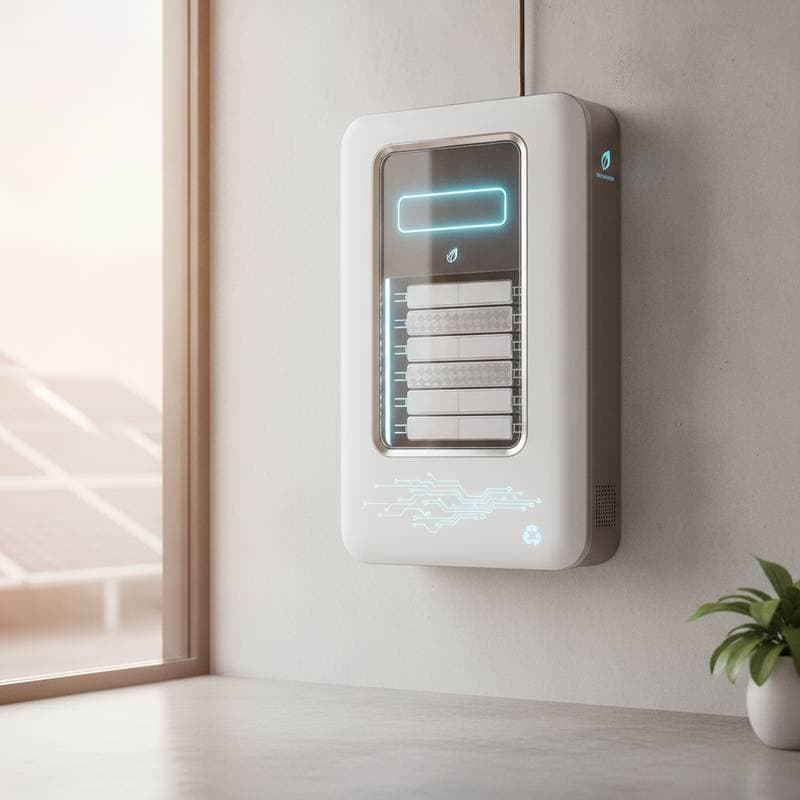
Solid-State Batteries Set to Revolutionize Solar by 2026
Homeowners and solar professionals are watching a quiet transformation in energy storage. Solid-state batteries are moving from research labs into pilot production. Their arrival could reshape how solar power is stored, managed, and used in homes.
These batteries promise higher safety, longer lifespan, and greater energy density than conventional lithium-ion systems. For solar customers, that combination could mean more reliable backup power and smaller, safer storage units.
Why Solid-State Batteries Matter for Solar Systems
A solid-state battery replaces the liquid electrolyte found in typical lithium-ion cells with a solid ceramic or polymer material. This change eliminates the flammable liquid that causes most thermal incidents in older battery types. The result is a safer, more thermally stable device.
When connected to rooftop solar, the advantage is clear. Solid-state batteries can store more energy in less space. They can also charge and discharge faster, improving how homes draw power from solar panels and the grid.
Safety Comes First
Battery safety is not negotiable. Homeowners should recognize key risks before installing or modifying any energy storage system. Improper wiring, poor ventilation, or mismatched equipment can create fire hazards or void permits.
Always confirm that any battery system carries a listing from a recognized testing agency such as UL. Never attempt to open or service a battery pack, even for inspection. A licensed electrician or certified solar installer must handle system design, load calculation, battery-to-inverter wiring, circuit protection, grounding and bonding checks, as well as permit submission and inspection coordination.
A homeowner can monitor energy use, maintain clean ventilation around the unit, and keep documentation for warranty and code reference.
How Solid-State Technology Improves Reliability
Solid electrolytes conduct ions without the fluid leakage risk seen in lithium-ion batteries. This reduces corrosion and extends cycle life. Studies from national energy laboratories show that solid-state cells can retain more than 80 percent of capacity after thousands of cycles.
That means fewer replacements and a lower total cost of ownership. Because they tolerate higher temperatures, solid-state batteries also reduce the need for active cooling. This lowers accessory energy use inside backup systems, which improves round-trip efficiency.
Code and Installation Context
Energy storage equipment must follow the National Electrical Code, Article 706, and local amendments enforced by each authority having jurisdiction. In Philadelphia, the Department of Licenses and Inspections requires that large battery systems integrate with listed inverters and include a disconnecting means accessible to first responders.
Homeowners should confirm that their installer provides documentation proving compliance. Solid-state systems may have different enclosure ratings, venting needs, or temperature limits compared with lithium-ion units. Always review the manufacturer installation manual and match wire gauge, torque values, and overcurrent protection exactly as specified.
Comparing Solid-State and Lithium-Ion Storage
| Feature | Solid-State Battery | Lithium-Ion Battery |
|---|---|---|
| Electrolyte | Solid ceramic or polymer | Liquid |
| Fire Risk | Very low | Moderate |
| Energy Density | Higher | Medium |
| Cycle Life | Longer | Shorter |
| Operating Temperature Range | Wider | Narrower |
| Maintenance | Minimal | Moderate |
This comparison shows why developers and utilities are investing heavily in solid-state technology. The potential for safer, denser storage supports both residential and community-scale solar projects.
Environmental and Lifecycle Benefits
Solid-state batteries use less cobalt and other mined materials. They can also be easier to recycle, as the solid electrolyte separates cleanly from electrodes. Reduced material demand lowers environmental impact from extraction and processing.
Planning Your Solar Storage Upgrade
Experts predict that early versions of solid-state batteries will first appear in high-end electric vehicles, then move into stationary solar storage. As production scales, cost will drop, making residential units more accessible.
Keep installation records and permits for your existing solar system. Ask your installer about inverter compatibility with solid-state storage. Schedule an annual inspection to verify wiring integrity and system grounding. Review warranty terms for both panels and batteries before any upgrade. Monitor announcements from certified manufacturers for upcoming residential releases.
Solid-state batteries will not replace professional installation or safety codes. They will, however, give homeowners more efficient and secure options for storing solar power.