
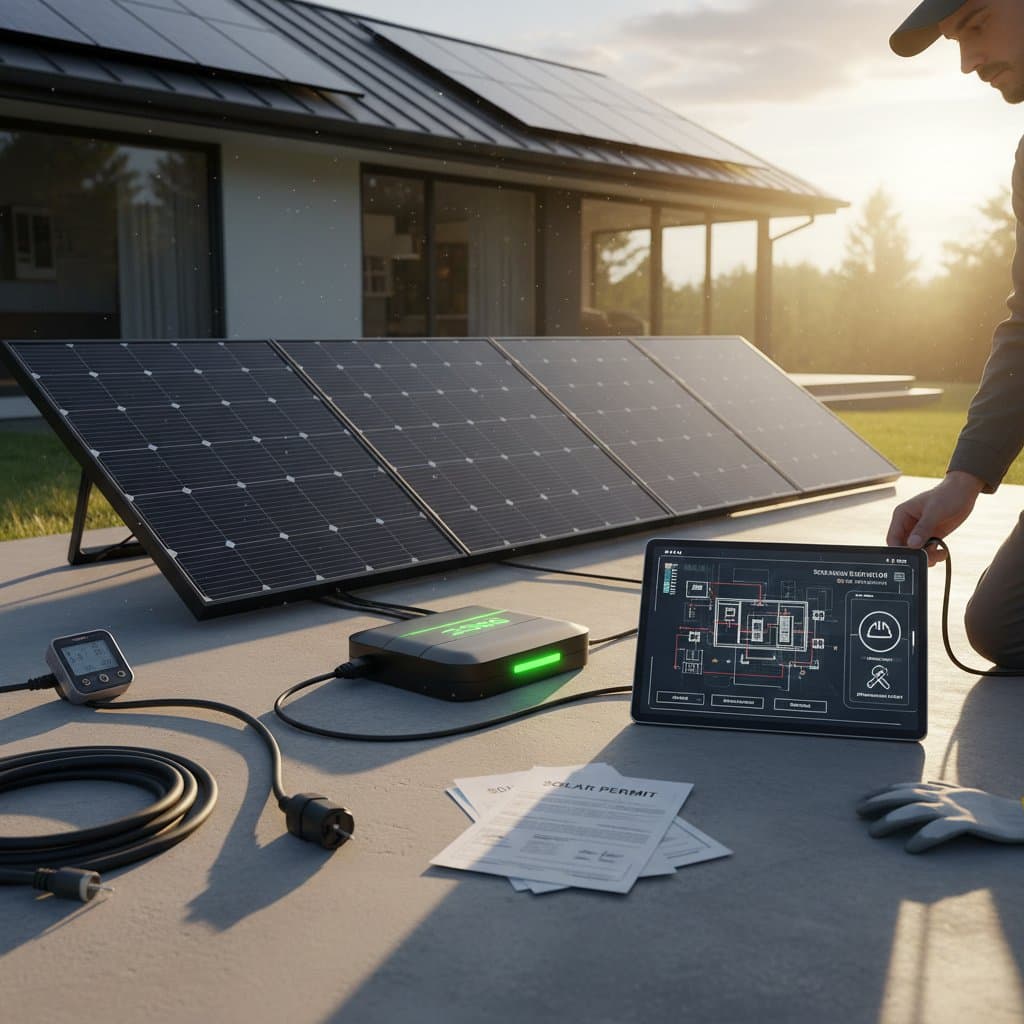
$8K DIY Solar Kits: Achieving Home Energy Independence in 2026
Homeowners nationwide seek greater control over energy sources, reduced utility expenses, and minimized environmental impact. The growing availability of plug-and-play solar kits has brought these objectives within closer reach for many. However, these systems involve complex technical elements and regulatory requirements that demand careful attention. Grasping the capabilities and limitations of an $8K DIY solar kit proves vital prior to installing panels or handling electrical components.
This comprehensive guide delineates the operational principles of these kits, identifies homeowner-friendly installation procedures, and specifies instances necessitating involvement from a certified electrician. It further addresses verification of permits, adherence to building codes, and strategies for sustained maintenance to foster a secure and effective setup.
Components and Capacity of an $8K DIY Solar Kit
A typical $8K DIY solar kit delivers capacity suitable for a modest to average residential energy profile. Configurations often range from 4 to 6 kilowatts, influenced by panel efficiency ratings and inverter specifications. Such a system might offset 30 to 50 percent of a household's yearly electricity consumption, depending on location, usage patterns, and sunlight exposure, though it seldom meets total needs without supplementary measures.
Essential elements include high-efficiency photovoltaic panels, a grid-tie inverter for energy conversion, mounting hardware for secure attachment, and basic wiring components like MC4 connectors and conduits. For instance, a kit might feature 12 to 15 panels rated at 400 watts each, paired with a 5-kilowatt inverter capable of handling variable loads. In contrast, professional installations incorporate advanced features such as custom structural assessments, rigorous code verifications, and seamless utility integrations, which elevate initial costs but mitigate potential issues like structural failures or denied grid connections.
Prospective users should evaluate immediate financial benefits alongside enduring safety and performance factors. The listed price accounts solely for materials; additional expenditures arise from securing permits, arranging inspections, and compensating skilled labor to satisfy regional regulations.
Navigating Electrical Codes and Permitting Processes
All solar installations must conform to the National Electrical Code, alongside jurisdiction-specific building ordinances. The authority having jurisdiction, typically a municipal or county electrical inspector, oversees enforcement to prevent hazards like fires or system failures. Prior to acquiring a kit, confirm certifications from accredited bodies such as Underwriters Laboratories or Intertek, ensuring components withstand rigorous safety testing.
Most areas mandate multiple approvals to safeguard installations:
- Building permit: Assesses roof load-bearing capacity and mounting stability to avoid collapses or water intrusion.
- Electrical permit: Validates wiring configurations, grounding practices, and overcurrent protection devices.
- Utility interconnection agreement: Authorizes safe tying into the power grid, often requiring anti-islanding features to protect utility workers.
Neglecting these processes risks official shutdowns, fines, or mandatory removals. Moreover, unpermitted setups may invalidate homeowner insurance policies in cases of property damage or injuries. Consult your local utility's approved equipment roster to verify compatibility of the kit's inverter and panels, and consider engaging a permit expediter for complex regions.
Identifying and Mitigating Common Installation Hazards
Failures in DIY solar endeavors frequently stem from inadequate connections or flawed weatherproofing, leading to inefficiencies or dangers. Recognize these indicators early to avert escalation:
- Loose or corroded terminal lugs, which can spark arcing and fires.
- Persistent inverter error messages or unexpected shutdowns signaling overloads or faults.
- Water seepage near mounting points, potentially weakening roof structures over time.
- Frayed or improperly mated MC4 connectors, risking short circuits during operation.
- Inconsistent power generation across panel arrays, often due to mismatched orientations or shading.
- Unguarded wires or absent cable restraints, exposing live elements to physical damage.
Upon detecting any issue, immediately isolate the inverter from power sources and summon a qualified solar electrician. Avoid diagnosing or repairing active electrical paths unless possessing specialized certification, as such actions heighten electrocution or fire risks.
Strategies for Maintenance and Ensuring Longevity
Photovoltaic panels exhibit remarkable resilience, requiring minimal daily intervention beyond occasional surface cleaning to optimize output. Owners bear responsibility for regular evaluations of electrical joints, fasteners, and enclosures to preserve system integrity.
Conduct these inspections biannually:
- Clean panels using lukewarm water and a non-abrasive soap solution, applied with a soft brush to remove dust and pollen without scratching surfaces.
- Tighten mounting bolts to manufacturer-specified torque levels, preventing vibrations from loosening hardware.
- Validate monitoring app data against expected yields based on weather and tilt angles.
- Examine protective conduits for splits, discoloration, or brittleness from sun exposure.
- Scrutinize terminal blocks and grounds for oxidation, applying dielectric grease if needed to inhibit further corrosion.
A decline in production exceeding 10 percent warrants expert diagnostics. Common culprits include degraded bypass diodes, inverter malfunctions, or evolving site obstructions like new tree growth. Proactive upkeep extends warranties, often spanning 25 years for panels, and sustains peak efficiency over decades.
Evaluating DIY Versus Professional Installation Options
Prospective installers should pose these key inquiries to determine the suitable approach:
- Do you possess verified expertise in handling energized electrical systems with appropriate personal protective equipment?
- Are you physically capable of maneuvering 40-pound panels onto sloped roofs while adhering to fall protection protocols?
- Can you interpret detailed schematics, including series-parallel configurations and precise torque specifications for connections?
- Does your insurance policy explicitly endorse coverage for homeowner-performed electrical modifications?
Affirmative responses across the board support full DIY execution. Where doubts exist, adopt a hybrid model: assemble mechanical frameworks and position panels independently, then retain a licensed professional for wiring finalizations, grounding installations, and permit inspections. This method trims expenses by 20 to 40 percent compared to full-service contracts while upholding legal and safety standards.
Actionable Steps to Launch Your Solar Project
- Investigate regional regulations: Access your city hall or utility portal for detailed permit applications and code summaries.
- Evaluate kit options: Scrutinize technical datasheets for inverter efficiency, panel degradation rates, and comprehensive warranties.
- Assess roof suitability: Arrange an engineering review to measure load limits, orientation, and shading impacts.
- Consult professionals upfront: Engage an electrician for preliminary advice on grid ties and compliance checks.
- Organize records meticulously: Archive all approvals, test results, and manufacturer documents for future reference and resale value.
By following these protocols, homeowners position themselves for a seamless transition to solar power, reaping savings and sustainability benefits without compromising safety.