
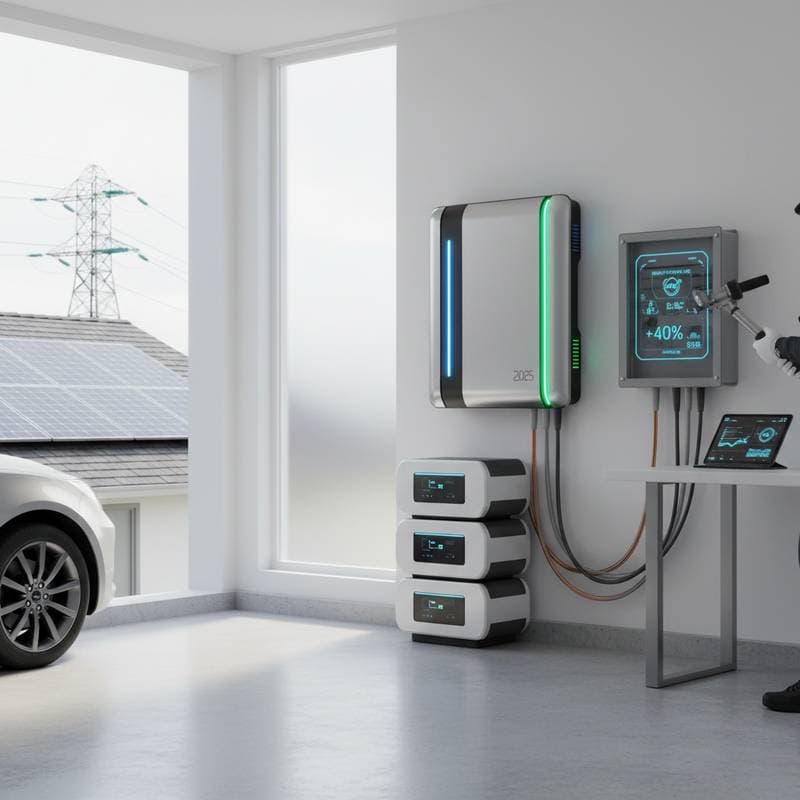
Cut Bills 40 Percent with 2025 Grid-Smart Inverters
Homeowners often seek methods to reduce electricity bills while maintaining comfort. Rising rates and intricate tariffs add to the complexity of choices. Grid-smart inverters represent one of the most effective upgrades available. Paired with rooftop solar or battery storage, these devices lower household energy costs by up to 40 percent. They achieve this by controlling the timing and method of power draw from or export to the grid.
Why Smart Inverters Matter
Standard inverters convert solar direct current to alternating current for home use. Smart inverters advance beyond this basic function. They interact with the grid, respond to utility price signals, and optimize energy flow on a minute-by-minute basis. Excess energy receives storage, export occurs during high-rate periods, or retention happens for later low-rate use.
This adaptability enhances the value of solar systems. Energy avoids export at low midday prices and instead saves for evening consumption. Homeowners observe noticeable changes in the first billing cycle as consumption patterns shift to lower-cost times automatically.
How Grid-Smart Inverters Work
A smart inverter serves as the central controller for solar or hybrid solar-battery systems. It monitors grid conditions, frequency, and voltage, then adjusts output levels. During grid overloads, the inverter reduces exports. In peak demand scenarios, it draws from storage to supply power. Such balancing safeguards the home and grid against instability.
Consider a 7-kilowatt solar array in Philadelphia. Each kilowatt generates approximately 1,300 kilowatt-hours annually under typical conditions, totaling 9,100 kilowatt-hours. At an average utility rate of 24 cents per kilowatt-hour, this offsets about 2,180 dollars. A smart inverter increases that value by 20 to 40 percent through strategic energy shifting, adding 430 to 870 dollars in yearly savings without extra panels.
Installation and Compatibility
Grid-smart inverters integrate with most existing solar setups, provided wiring and monitoring align. Technicians inspect the current inverter, verify communication protocols, and confirm adequate grounding and breaker capacity. Replacement installations complete in one day. New solar systems incorporate smart inverters by default.
Battery owners benefit from enhanced control. The inverter directs battery charging and discharging based on time-of-use rates to minimize expenses. For instance, midday solar power charges the battery, which then powers the home during evening peaks. This strategy cuts grid reliance by 60 percent or more in high-rate windows.
Understanding the Costs
Smart inverters exceed standard models in price, yet the investment recovers swiftly. A 7-kilowatt string inverter costs around 1,200 dollars. An equivalent smart model with grid features prices at about 2,000 dollars. The 800-dollar premium recoups in two to three years via savings.
Incentives from utilities and states reduce upfront expenses. Rebates target equipment aiding grid stability and demand response. Monthly credits apply in some areas for inverter participation in grid services. Consult installers or local energy offices to identify applicable programs prior to purchase.
Performance and Reliability
Advanced monitoring tools in modern smart inverters provide real-time performance views. Phone apps or web portals display power usage, storage, and exports. Alerts notify users of voltage issues or shading impacts immediately.
Efficiency stands out as a key benefit. Many models achieve 98 percent conversion rates, maximizing panel output for home use. Degradation remains minimal, often under 0.5 percent annually, prolonging solar investment returns.
Maintenance and Lifespan
Smart inverters require little maintenance. Clear dust from surfaces, maintain clean ventilation, and apply software updates as notified. Manufacturers offer 10- to 12-year warranties, with extension options available. Internet connectivity enables remote diagnostics and firmware fixes, avoiding on-site visits in many cases.
For battery-integrated systems, conduct inspections every few years to examine wiring and thermal states. Uphold cleanliness and airflow to sustain performance and safety.
Everyday Habits that Boost Savings
Pair technology with intentional practices for optimal results. Operate high-demand appliances such as dishwashers and laundry machines during peak solar production. Pre-cool or pre-heat the home ahead of high-rate periods. Activate load control features on the inverter to postpone nonessential tasks until rates fall.
Enhance savings by combining smart inverters with:
- Smart thermostats that align heating and cooling with solar availability.
- LED lighting installed home-wide.
- Heat pump water heaters timed for solar hours.
- EV chargers synchronized to inverter signals for abundant solar charging.
These integrations elevate total savings beyond 40 percent, while enhancing comfort and system resilience.
Getting Started
- Gather 12 months of utility bills to analyze usage patterns and rates.
- Request a professional shade study to evaluate annual roof sunlight exposure.
- Obtain multiple quotes using consistent parameters like sun hours, roof pitch, and utility rates for fair comparisons.
- Verify incentives and interconnection requirements, as utility policies vary.
- Select an inverter compatible with preferred phone or dashboard monitoring.
After installation, monitor performance reports closely for initial months. These insights refine habits and validate projected savings.
Sustaining Long-Term Savings
Update system software regularly and review production data quarterly. Address drops in output by cleaning panels and inspecting for new shading sources like trees or buildings. Consistent adjustments, alongside energy-conscious routines, ensure low bills persist for decades.
FAQ
What distinguishes a smart inverter from a standard inverter?
It communicates with the grid and manages energy based on real-time conditions and pricing.