
- Combined expense: $37,250 before rebates
- Rebate amount: approximately $11,000
- Effective cost: about $26,000
- Yearly savings: approximately $1,550
The return period approaches 17 years, offering a marginal improvement over solar tiles. Advantages grow if roof replacement becomes necessary, as metal roofs persist through several solar system lifecycles without renewal.
Performance in Energy Production and Heat Control
Elevated temperatures impact solar output more significantly than many anticipate. Tile-integrated systems retain heat due to direct contact with the underlying deck. Efficiency declines by approximately 0.4 percent per degree Celsius above baseline testing conditions. During peak summer heat, losses reach three to five percent compared to elevated panel setups.
Metal roofs deflect sunlight and dissipate warmth rapidly. Mounting solar panels with ventilation gaps allows air circulation to moderate module temperatures. This setup sustains higher production levels during extended daylight exposure. Cumulative efficiency gains contribute substantial long-term benefits.
Visual Appeal and Impact on Home Valuation
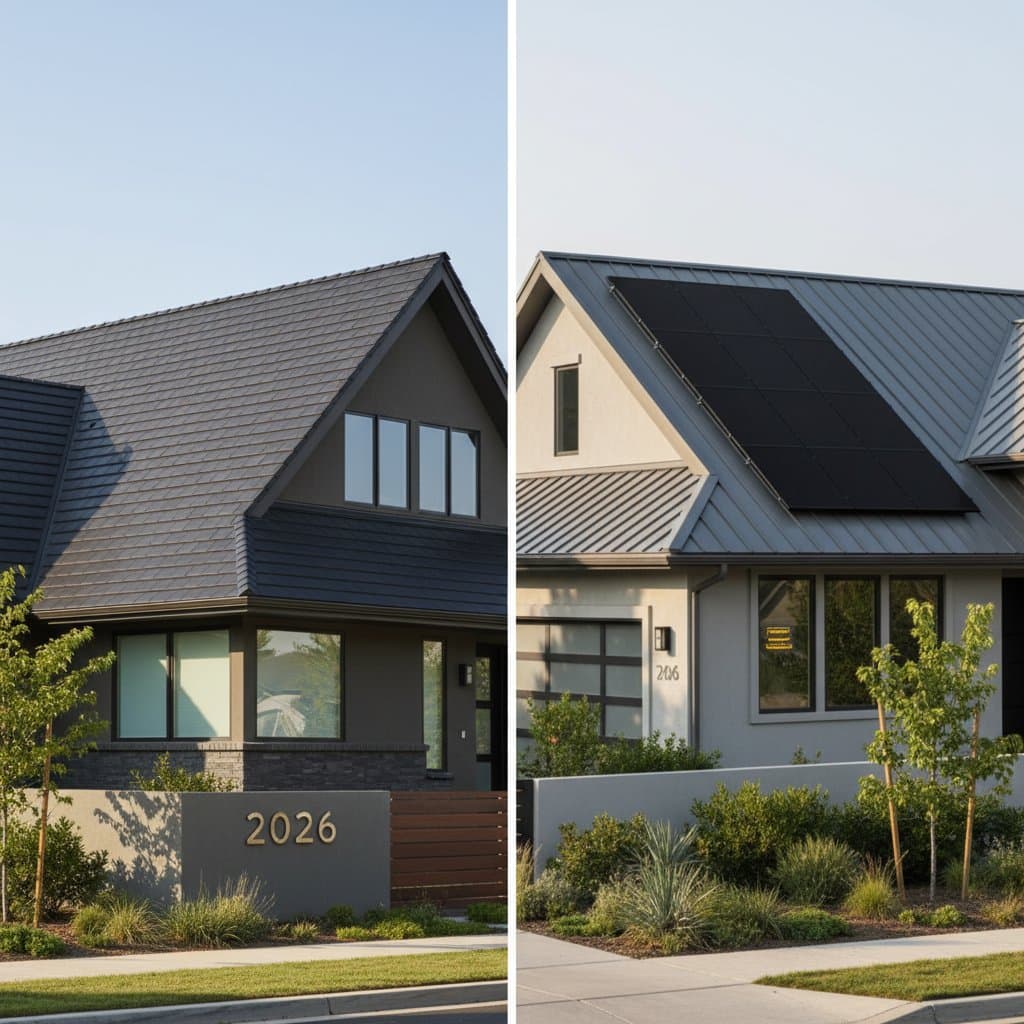
Exterior presentation influences homeowner preferences. Solar tiles integrate seamlessly, providing a streamlined profile. They replicate appearances of asphalt or slate, satisfying requirements in community associations or preserved neighborhoods. Certain purchasers value this discreet integration enough to justify the added expense.
Metal roofs convey a contemporary or robust aesthetic. Paired with subdued solar frames, the combination achieves a polished, modern effect. Property assessments recognize energy-efficient roofs as value enhancers, though precise increases vary by locale. Market analyses indicate that homes with solar features sell more rapidly and command premiums of three to five percent over comparable properties without such upgrades.
Deployment and Upkeep Considerations
Deployment processes affect both expenses and dependability. Solar tile placement demands collaboration between roofing specialists and electricians. Precise alignment of tiles with conduits and seals proves essential. Errors may lead to moisture penetration or circuit issues. Subsequent repairs often necessitate disassembly of adjacent sections.
Metal roof assembly simplifies after panel preparation. Seams engage securely, and solar attachments occur without surface breach. Upkeep typically includes periodic panel rinsing and debris removal. Roof evaluations occur infrequently, perhaps every several years.
Solar tile maintenance presents challenges. Textured surfaces accumulate particulates that diminish efficiency. Mild washing suffices in many cases, yet specialized services may become necessary to safeguard integrated components.
Sustainability and Lifecycle Management
Both configurations advance renewable objectives, but their ecological footprints vary.
Solar tiles incorporate photovoltaic elements within structural layers, complicating recycling efforts. Certain producers offer retrieval initiatives, though widespread processing options remain scarce.
Metal roofs utilize up to 60 percent recycled materials and achieve near-complete recyclability upon decommissioning. Attached solar panels permit independent renewal or relocation, facilitating resource conservation.
For those prioritizing material cycles and reuse, metal roofing paired with detachable solar arrays aligns more closely with sustainable practices.
Determining the Superior Option for Longevity
In terms of raw endurance, metal roofs supporting solar panels demonstrate clear superiority. They withstand degradation, environmental pressures, and frequently surpass the service life of the solar components. Solar tiles perform reliably with elegant design, yet installation intricacies and thermal vulnerabilities constrain their effective duration.
Optimal selection hinges on priorities. Aesthetics and unified installation favor solar tiles for their cohesive energy and protection solution. Emphasis on adaptability and endurance points to metal roofs with standard panels for versatile, dependable service.
Steps to Evaluate and Implement Your Roofing Upgrade
Homeowners begin by reviewing current roof condition, structural integrity, and energy objectives. An expert assessment identifies usage patterns and suitable system scale. For instance, roofs with under ten years remaining warrant replacement with metal prior to solar addition, avoiding future disruptions.
Investigate available supports via federal credits and local programs. Pennsylvania utilities provide net metering or variable pricing that influences returns. Certified professionals can simulate personalized financial outcomes.
Sustain performance through biannual cleaning of solar surfaces, connection verifications, and production tracking via monitoring tools. Maintain drainage systems to avert seal compromises from standing water.
Anticipate inverter updates after ten to twenty years. Proactive allocation for these costs preserves savings continuity. Respond promptly to system notifications regarding output variances to mitigate extended inefficiencies.