
Add Battery Storage to Solar Panels Under $3K
Solar energy systems provide clean power, yet they depend on sunlight availability. Homeowners often seek ways to store excess energy for use during evenings or outages. Adding battery storage enhances system efficiency without requiring a full overhaul.
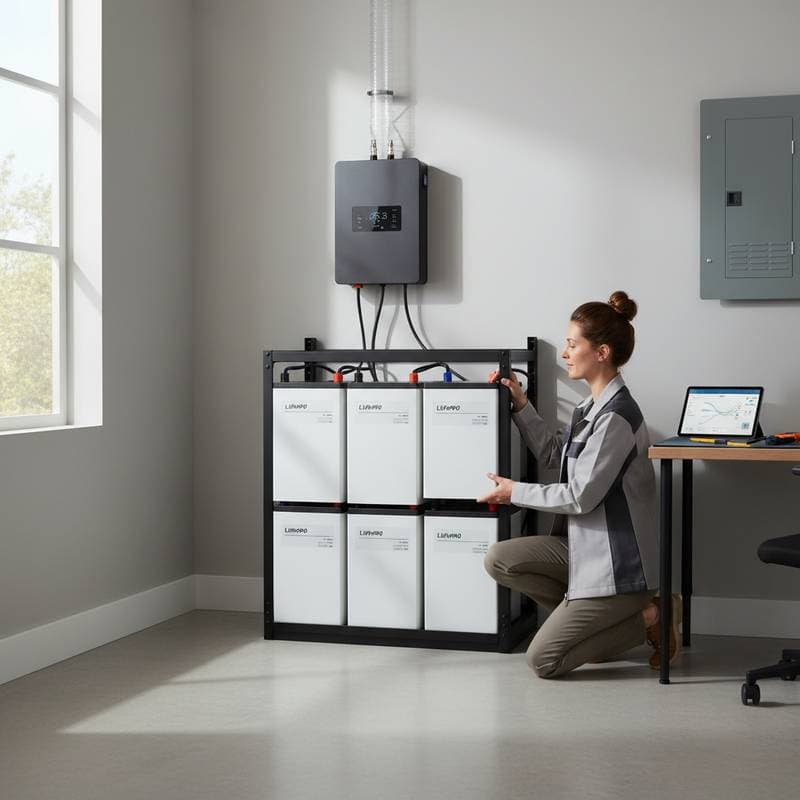
This guide explores affordable options for Philadelphia residents to integrate battery storage into existing solar setups. Focus remains on solutions costing under $3,000, emphasizing modular lithium iron phosphate (LiFePO4) batteries known for safety and longevity. These additions promote energy independence while reducing reliance on utility grids.
Benefits of Solar Battery Storage
Battery storage captures surplus solar energy generated during peak hours. This stored power becomes available when sunlight fades, preventing waste and lowering evening electricity costs. Philadelphia homeowners face variable weather, making reliable storage essential for consistent savings.
Systems improve resilience against power disruptions, common in urban areas. During outages, batteries supply critical appliances, maintaining comfort and safety. Over time, these setups yield returns through bill reductions and potential incentives.
Environmental gains include maximized renewable energy use, cutting fossil fuel dependence. Small-scale additions align with sustainability goals without overwhelming budgets.
Selecting the Right Battery System
LiFePO4 batteries stand out for their stability and cycle life exceeding 5,000 charges. Modular designs allow scalability, starting small and expanding as needs grow. Capacity options range from 5 kWh to 10 kWh, sufficient for essential household loads.
Compatibility with major inverters ensures seamless integration. Verify system voltage matches existing solar panels, typically 48V for residential use. Brands offering plug-and-play modules simplify selection for non-experts.
Prioritize certifications like UL 9540 for fire safety. These features protect investments and comply with local codes in Pennsylvania.
Cost Breakdown and Incentives
Entry-level modular LiFePO4 systems cost between $1,500 and $2,500, including basic hardware. Installation adds $300 to $500 for DIY approaches, keeping totals under $3,000. Larger capacities approach the upper limit but deliver greater value.
Federal tax credits cover 30% of costs through the Investment Tax Credit. Pennsylvania offers additional rebates via programs like the Solar Renewable Energy Certificate market. Local utilities in Philadelphia may provide net metering benefits, further offsetting expenses.
Shop during promotional periods or bundle with maintenance plans to maximize savings. Compare warranties, often 10 years, to ensure long-term affordability.
Step-by-Step Installation Guide
Preparation involves assessing current solar output and energy needs. Use online calculators to estimate required storage capacity based on daily usage patterns.
- Gather tools: multimeter, wiring kit, and mounting brackets.
- Position the battery near the inverter to minimize cable runs.
- Connect positive and negative terminals following manufacturer diagrams.
- Secure enclosures to prevent tampering or environmental exposure.
- Test the system by monitoring charge cycles through integrated apps.
Professional oversight recommended for electrical connections. Philadelphia building permits may apply for permanent installs, though modular units often qualify as portable.
Safety protocols include wearing protective gear and disconnecting power sources beforehand. Consult manuals for specific model instructions.
Maintenance and Optimization Tips
Regular checks ensure optimal performance. Inspect connections monthly for corrosion or looseness. Clean battery surfaces to maintain thermal efficiency.
Software updates via manufacturer apps enable smart monitoring. Track usage to adjust solar production schedules, prioritizing high-value storage times.
Pair with energy management systems for automated load shifting. This approach extends battery life and enhances overall system intelligence.
Winter preparations in Philadelphia include insulating units against cold, which can reduce efficiency. Annual professional audits identify issues early.
Achieving Long-Term Energy Goals
Integrating battery storage transforms solar investments into comprehensive solutions. Homeowners gain control over energy costs and supply reliability. Start small to test benefits, then scale based on results.
Philadelphia's incentives make this upgrade accessible now. Embrace these steps to secure a resilient, cost-effective home energy future.