
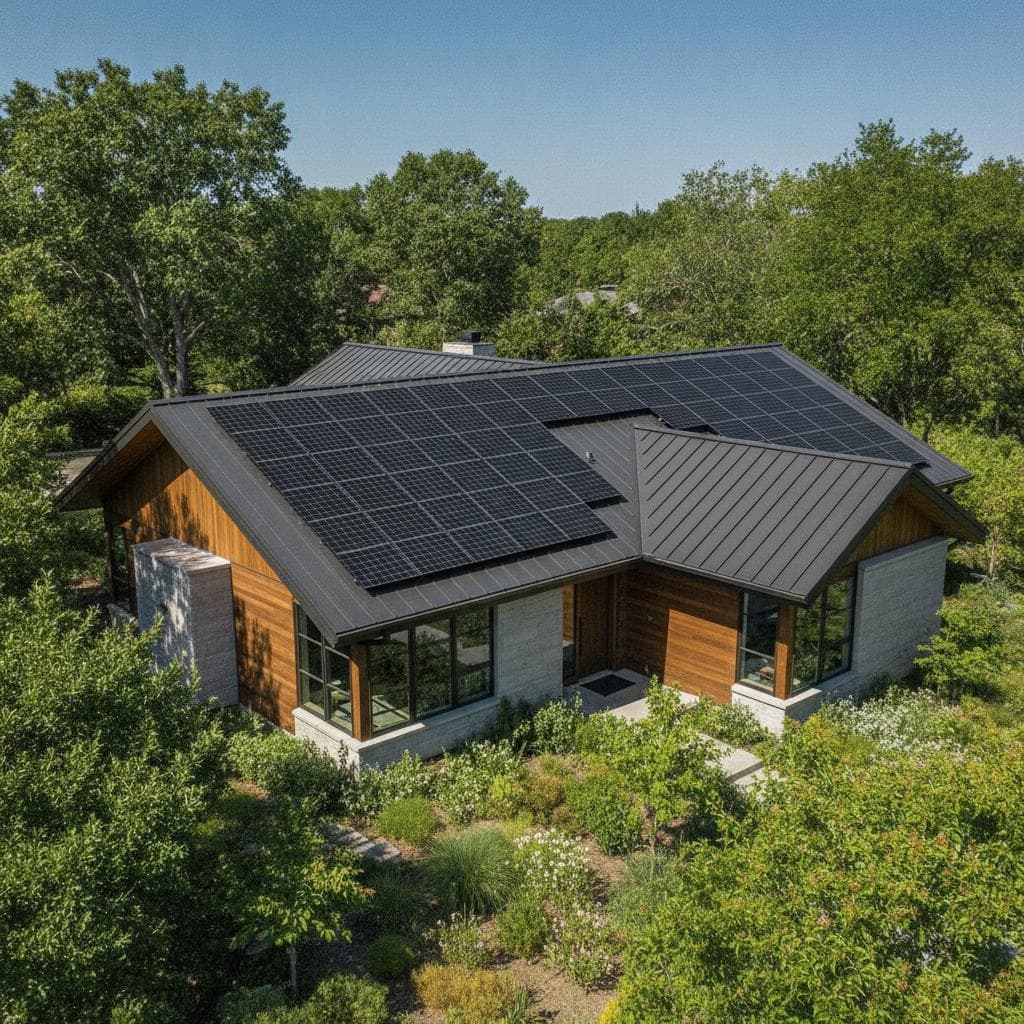
Metal Roofs Are 2026's Top Pick for Solar Installs
Many homeowners want solar panels but hesitate because of roof condition or future replacement costs. The roof under a solar system matters as much as the panels themselves. Metal roofs now emerge as the preferred surface for solar installations. They combine durability, efficiency, and long-term value.
Understanding why metal roofs rise to the top helps homeowners make a confident investment.
Why Metal Roofs and Solar Panels Fit So Well
A solar system is designed to last about 25 to 30 years. A metal roof often lasts 40 to 70 years depending on the type and coating. This match in longevity means homeowners are unlikely to remove and reinstall panels during the system lifetime. Asphalt shingles often need replacement halfway through a solar system life. That replacement adds several thousand dollars in labor and potential downtime.
Metal roofs also provide a solid, uniform surface for panel mounting. Standing seam designs allow installers to attach panels with clamps that do not require roof penetrations. This approach protects the roof warranty and reduces the chance of leaks. The combination of strength, corrosion resistance, and low maintenance makes metal an ideal foundation for renewable energy.
Performance and Energy Savings
Metal roofs reflect sunlight more effectively than darker shingles. This reflection reduces summer heat gain. Lower attic temperatures improve overall energy efficiency. When solar panels are installed they create an air gap that adds further shading and cooling. Together these features can cut cooling costs by 10 to 25 percent in many homes.
A typical 7 kW solar array on a metal roof in the Philadelphia area can produce about 9,100 kWh per year if shading is minimal. At an average utility rate of 24 cents per kWh that output offsets around 2,180 dollars annually. Over 25 years that equals more than 54,000 dollars in avoided electricity costs, not counting rate increases or incentives.
Cost and Payback
Installing solar on a metal roof may cost slightly less than on other roofing types. Fewer mounting parts are needed and labor time is shorter. For example a 7 kW system might cost about 17,500 dollars after equipment and labor. Federal and state incentives can reduce this by 30 percent or more. The net cost moves closer to 12,000 dollars. With typical production the payback period may range from 5 to 8 years depending on utility rates and available credits.
Homeowners who already plan a roof replacement can choose metal before going solar. This choice prevents future removal costs that can run between 2,000 and 4,000 dollars. The timing strategy adds further savings and peace of mind.
Installation and Maintenance
The process begins with a shade and roof assessment. Installers evaluate pitch, orientation, and seam spacing. Once approved, panels are attached with clamps or brackets that preserve the roof surface. Wiring runs beneath the panels to a smart inverter that converts direct current to alternating current for home use.
Maintenance remains minimal. Keep panels free of heavy debris and check mounts annually. Metal roofs require little attention beyond clearing gutters and ensuring fasteners remain tight. The combination results in a low-maintenance, high-performance system that keeps producing clean power for decades.
Lifestyle and Design Benefits
Metal roofs come in many colors and finishes. Homeowners can match style and function. The reflective quality can improve comfort indoors. Panels add resilience through potential pairing with home batteries. Homes with solar on metal roofs often see higher resale value as buyers look for efficient, ready-to-run systems.
Steps for Homeowners Ready to Proceed
- Review roof age and condition.
- Request a shade analysis from a certified solar installer.
- Compare at least three quotes with identical system size and assumptions.
- Confirm incentives and local interconnection rules.
- Schedule regular monitoring once the system goes live.
Adopting solar on a metal roof creates a lasting upgrade that saves money and supports cleaner energy. Each installation contributes to lower emissions and a more stable energy future.
FAQ
1. Can solar panels damage a metal roof?
No. Proper mounting systems use clamps that do not penetrate the roof surface.
2. Are some metal roof types better for solar?
Standing seam roofs are ideal because they allow secure, no-drill attachments.