
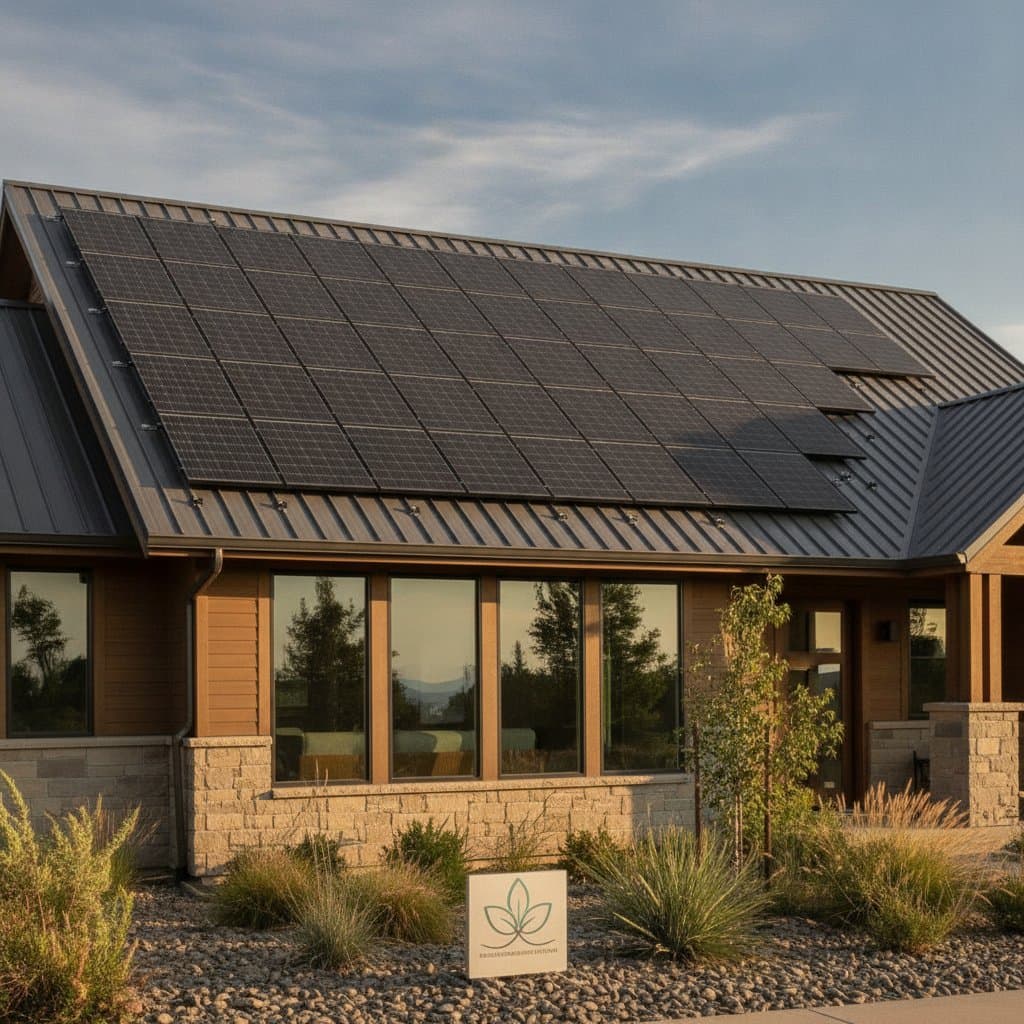
Metal Roofing and Solar: Evaluating the Long Term Value
Homeowners often question whether to install solar panels on a new roof. Concerns center on timing. If the roof requires replacement before the panels reach the end of their service life, removal and reinstallation add unexpected expense. Metal roofing addresses this issue because it lasts fifty years or longer. When paired correctly with solar, the combination creates a stable platform that supports energy production for decades without intermediate roof work.
Structural Advantages for Solar Installation
Metal roofs provide several practical benefits that support solar arrays. Standing seam designs shed water effectively and resist damage from wind, snow, and temperature changes. Their extended lifespan allows a single solar installation to remain in place throughout its full operational period. Homeowners avoid the need to coordinate roof replacement with panel removal.
Asphalt shingle roofs typically last twenty to twenty five years. Solar panels operate for twenty five to thirty years. This overlap often forces one roof replacement during the solar system life. The added labor for panel handling can reach several thousand dollars. Metal roofing removes this requirement.
Attachment Methods and Load Considerations
Installation technique varies by roof profile. Standing seam roofs allow clamps to attach directly to the raised seams. This approach avoids any penetration of the metal surface and preserves warranty coverage. Corrugated roofs use sealed through fasteners at the high points of the ribs. Both methods work, yet standing seam remains the cleanest option.
Solar panels add modest weight. A typical panel weighs about forty pounds. A ten panel array distributes roughly four hundred pounds across the roof. Metal surfaces handle this load without additional structural changes.
Lifespan Alignment and Cost Avoidance
Solar output declines at about one half percent per year. After thirty years the system still produces roughly eighty five percent of original capacity. A quality metal roof outlasts this period. The roof therefore does not limit the solar investment return.
An asphalt roof may require two replacement cycles during the same timeframe. Each cycle includes removal, disposal, and reinstallation costs that total two to four thousand dollars. Metal roofing eliminates these expenses.
Upfront Costs and Long Term Payback
Asphalt shingles cost five to seven dollars per square foot installed. Standing seam metal ranges from nine to twelve dollars per square foot. On a two thousand square foot roof the difference equals about eight thousand dollars. This premium purchases double the service life and removes one full replacement cycle.
A seven kilowatt solar system generates approximately nine thousand one hundred kilowatt hours annually in a sunny climate. At eighteen cents per kilowatt hour the annual savings reach one thousand six hundred forty dollars. Payback falls between seven and ten years after incentives. Because the metal roof remains serviceable, a future panel replacement occurs without roof work.
Environmental and Aesthetic Outcomes
Metal and solar systems both reduce long term waste. Recycled content in the roof and full recyclability at end of life support material efficiency. Light colored metal surfaces reflect heat and lower summer cooling loads. The combination avoids mid cycle shingle disposal.
Modern standing seam profiles offer multiple colors and finishes. Low profile panels create a uniform appearance without visible hardware. Properties with this pairing often appeal to buyers who prioritize durability and efficiency.
Ongoing Care Requirements
Both systems need limited maintenance. Metal roofs benefit from periodic checks for debris or sealant condition. Solar panels require occasional cleaning when pollen or dust accumulates. Performance monitoring through standard apps identifies output changes quickly.
Hardware selection matters. Stainless steel or aluminum fasteners and rails prevent corrosion when matched to the roof material. Qualified installers coordinate both trades to ensure compatibility.
Total Ownership Perspective
Comparing total costs over decades favors the metal option. An asphalt and solar package may require thirty two thousand dollars initially plus later roof work. A metal and solar package costs about thirty eight thousand dollars upfront yet avoids replacement. The second path delivers lower lifetime expense and reduced upkeep.
Preparation and Installation Steps
Assess roof orientation, shading patterns, and structural capacity first. Obtain coordinated quotes from roofing and solar contractors. Review mounting specifications, warranty details, and local payback estimates. Retain all documentation for future property transfer.
After installation, clean panels one or two times per year with water and a soft brush. Inspect seams following severe weather. Maintain airflow beneath the array to manage temperature. These practices support consistent performance across both systems.