
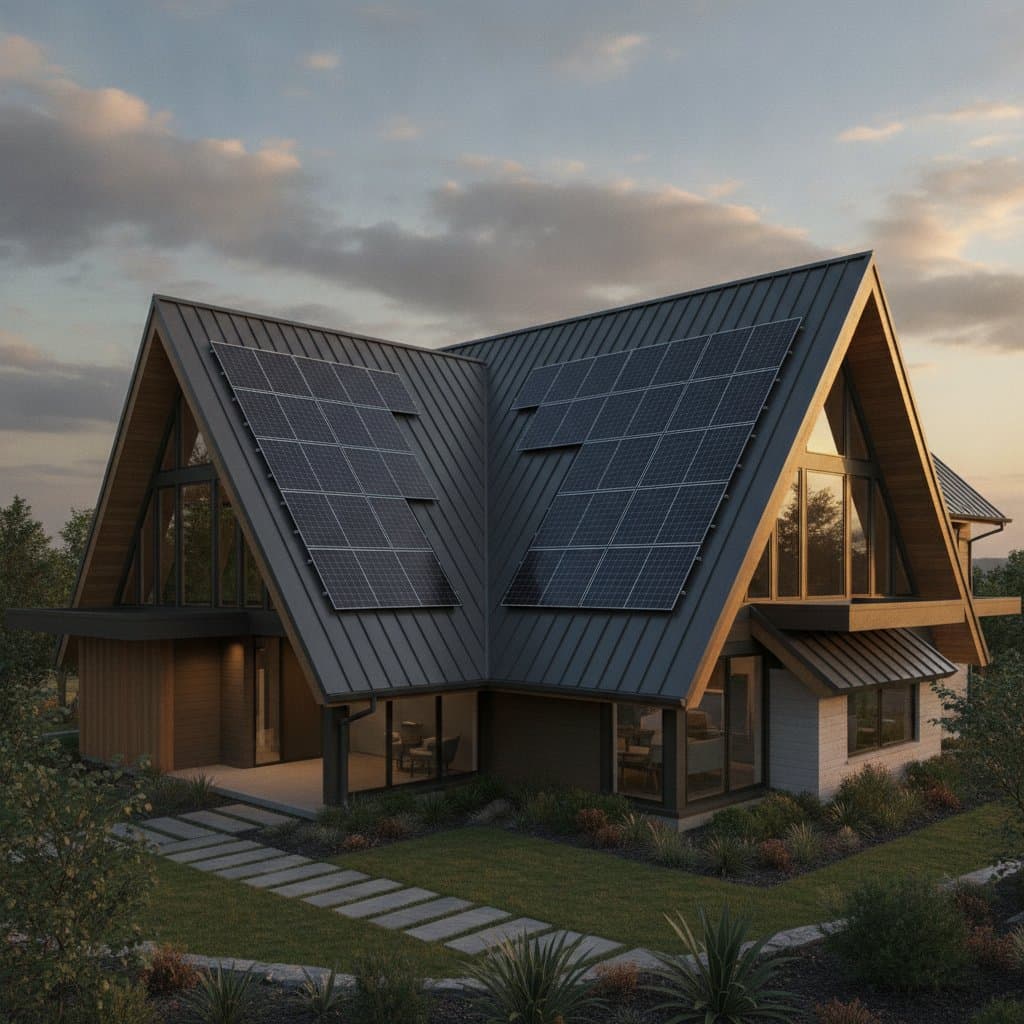
Why Installers Prefer Metal Roofs for Solar in 2026
Many homeowners feel uncertain when choosing the right roof for solar panels. The roof type affects cost, efficiency, and long-term performance. Among all options, metal roofs are emerging as a top choice for solar installers. The reasons go beyond style. They center on strength, compatibility, and durability that match the lifespan of solar panels.
Why Roof Type Matters for Solar
Solar systems represent long-term investments. Panels often last 25 to 30 years. Therefore the roof beneath them should last just as long. If a roof needs replacement midlife, the panels must come off. This adds cost and inconvenience. Metal roofs solve this problem. Their lifespan often matches or exceeds that of the panels. This keeps everything intact and secure.
Key Reasons Installers Prefer Metal Roofs
1. Longer Lifespan and Durability
A standing seam metal roof can last 40 to 70 years depending on material and upkeep. Asphalt shingles usually need replacement after about half that time. With metal, installers know the roof will not fail before the solar system does. It means fewer callbacks and less risk for both the installer and the homeowner.
2. Simple, Non-Penetrating Mounting
Standing seam metal roofs allow solar panels to be attached with clamps that grip the seams. No holes or roof penetrations are needed. This keeps the roof watertight and reduces installation time. A typical 7 kW system on a standing seam roof can be finished in fewer labor hours than on shingle roofs. The clamps are strong, corrosion resistant, and easy to adjust for alignment.
3. Cooler Operation and Efficiency Boost
Metal reflects more sunlight than darker roofing materials. That can lower roof surface temperatures and reduce heat transfer. Cooler panels operate more efficiently. A drop of 1 degree Celsius in panel temperature can improve production by about 0.3 percent. Across thousands of kilowatt-hours, those small gains add up.
4. Lower Lifetime Cost
While metal roofs can cost more upfront, the total lifetime expense is often lower. A homeowner who spends 20000 dollars on a metal roof and 16000 dollars on solar may avoid a future 10000 dollar re-roofing job. The combined system can produce energy for decades with minimal maintenance.
Environmental and Aesthetic Benefits
Metal is recyclable and often made from recycled content. Its reflective surface can reduce cooling loads in summer. The clean lines of a standing seam roof also make solar arrays look integrated, not added on. Many homeowners see a value boost when roof and solar complement each other visually.
Planning and Maintenance
Before installation, request a roof inspection and confirm the gauge, coating, and seam type. Make sure the mounting system matches the roof profile. After installation, periodic checks keep everything tight and corrosion free. Most systems only need light cleaning and monitoring through an app.
Preparing for Installation
- Gather your last 12 months of utility bills.
- Schedule a shading and roof condition review.
- Ask for quotes that include both solar and roof details.
- Compare warranties for panels, inverters, mounts, and roofing materials.
- Confirm local incentives for solar and cool roofs.
Metal roofs give solar installers confidence and homeowners peace of mind. The combination of longevity, efficiency, and beauty makes them one of the best foundations for clean energy at home.