
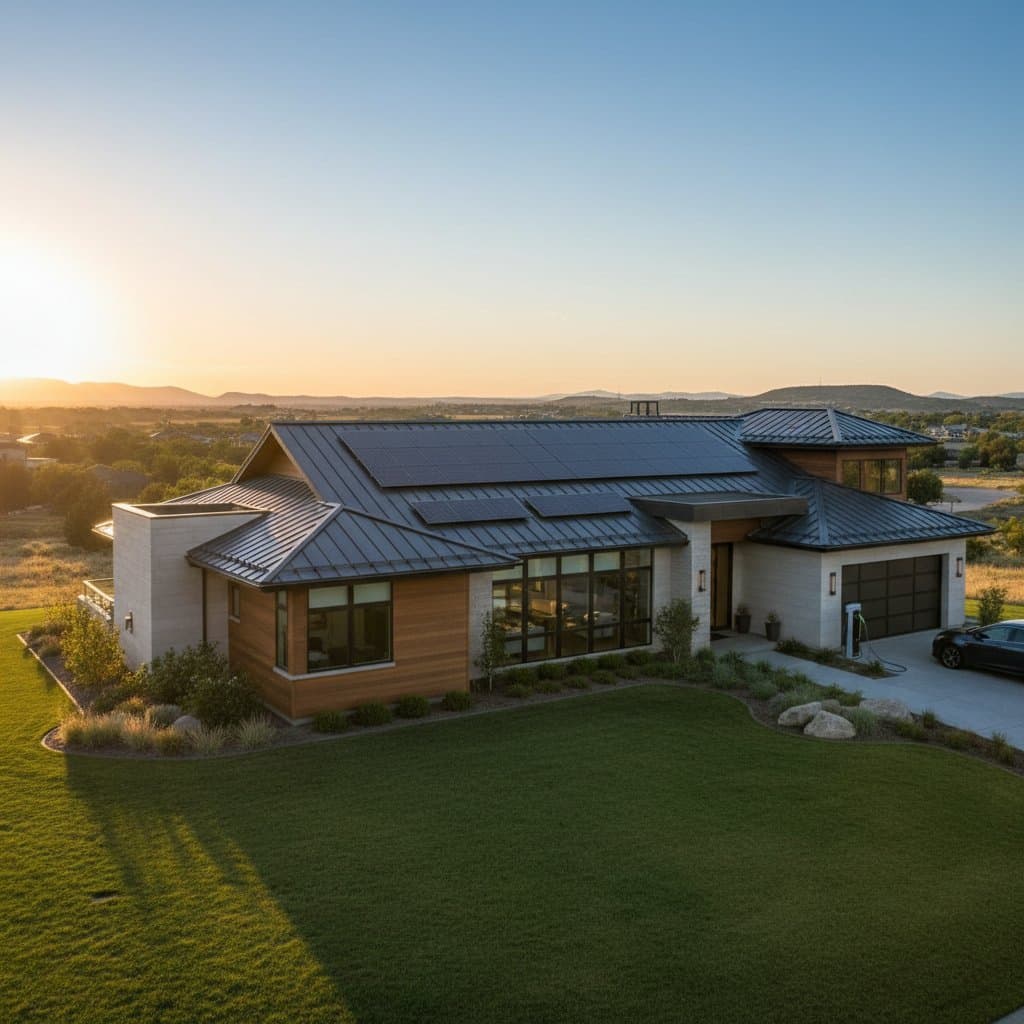
Solar Metal Roofing: A Superior Alternative to Tesla's Solar Roof for Lasting Energy Independence
Solar metal roofing systems redefine the integration of clean energy and home protection. These systems merge the resilience of standing seam or interlocking metal panels with advanced photovoltaic technology. Homeowners gain a unified solution that surpasses traditional shingles and even Tesla's solar roof in durability and performance.
In regions like Philadelphia, where weather varies from heavy snow to intense summer heat, metal roofs endure for decades with little upkeep. When equipped with solar cells, they form a seamless barrier against elements while generating electricity. This approach yields a quieter, more efficient roof compared to add-on solar panels.
How Integrated Solar Metal Roofs Function
Integrated solar metal roofs embed photovoltaic cells directly into the roofing material, unlike conventional panels mounted atop the surface. Each panel acts as both a structural element and an energy producer. This design eliminates separate components and enhances overall system reliability.
Two primary configurations exist for these systems.
- Standing seam systems. Solar laminates attach to the flat sections of raised seams. Electrical wiring routes underneath the panels, shielded from environmental exposure.
- Interlocking panel systems. Individual panels incorporate built-in solar cells. Adjacent panels connect to create a secure electrical network and waterproof barrier.
These methods avoid roof penetrations, mounting hardware, or visible cables. Such features minimize leak potential and maintain an unobstructed roof aesthetic.
Prioritizing Safety in Solar Metal Roof Installations
Safety stands as the foremost concern in any solar roofing project, particularly with metal's conductivity and active electrical components. Installations must adhere to established standards to prevent hazards. Professional oversight ensures compliance from design through operation.
Homeowners must refrain from the following actions.
- Cutting, drilling, or altering installed solar metal panels.
- Accessing junction boxes or inverter enclosures.
- Handling wiring without first de-energizing circuits per applicable codes.
Electrical connections require adherence to the National Electrical Code, including local variations. Wire gauges must account for ambient temperatures and load capacities. All fittings must carry certifications for exterior applications.
Recommended safety equipment includes a non-contact voltage detector for initial inspections, a torque wrench for securing connections to precise standards, and insulated tools plus protective gloves for proximity to live parts. In cases of suspected damage, such as frayed wires, sparks, or water entry, isolate power at the main disconnect and engage a certified photovoltaic electrician without delay.
Managing Energy Storage and Grid Connections
Solar metal roofs link to the home electrical panel via an inverter that transforms direct current into alternating current. Surplus energy either returns to the utility grid through net metering or stores in batteries for off-peak use. This setup supports consistent power availability.
Key operational aspects for homeowners include the following.
- Grid-connected systems deactivate during blackouts to protect utility workers.
- Systems with battery storage supply power to critical circuits independently.
- Digital monitoring tools display real-time generation, usage, and storage levels.
Installers configure inverters to align with regional grid protocols and perform full system testing. Utilities must approve operations prior to energizing the installation.
Environmental Benefits and Financial Advantages
Solar metal roofs contribute significantly to sustainability by producing on-site electricity that displaces fossil fuel-based grid supply. Over time, a single system offsets substantial carbon emissions. The recyclable metal core, often sourced from post-consumer materials, further reduces environmental impact.
Protective coatings on these roofs resist degradation, preserving thermal reflectivity and extending longevity. Homeowners experience reduced utility expenses, eligibility for federal incentives, and elevated home values. Unified installation streamlines labor costs compared to retrofitting panels onto existing roofs.
Properties with these systems attract buyers prioritizing low-maintenance, energy-efficient features. The dual role of roofing and power generation simplifies future upgrades and enhances marketability.
The Evolving Landscape of Solar Metal Roofing
Advancements in photovoltaic efficiency and metal fabrication continue to propel solar metal roofs forward. Emerging thin-film technologies promise even higher energy yields in limited spaces. Manufacturers explore flexible panels that conform to complex roof geometries.
Market adoption grows as costs decline and incentives expand. In urban areas like Philadelphia, these systems align with green building initiatives. Integration with smart home ecosystems enables predictive maintenance and optimized energy use.
Looking ahead, solar metal roofs position homeowners for energy resilience amid shifting climates and policies. Innovations ensure these systems remain at the forefront of sustainable architecture.
Steps to Adopt Solar Metal Roofing
Homeowners ready to explore solar metal roofs can follow these structured actions.
- Conduct a structural evaluation. Verify that existing roof framing and decking support the added weight and configuration.
- Analyze energy usage. Examine utility statements from the past year to determine required system capacity.
- Solicit detailed bids. Obtain quotes from several providers, focusing on integrated solar metal options.
- Validate provider qualifications. Confirm installer licensing, industry certifications, and liability insurance.
- Establish upkeep protocols. Schedule yearly professional reviews and routine cleaning to sustain performance.
Realizing Enduring Benefits from Solar Metal Roofs
Adopting a solar metal roof delivers immediate and lasting value through combined protection and power generation. Homeowners secure decades of reliable energy without frequent interventions. This investment fosters true independence from volatile energy markets.
The sleek integration enhances curb appeal while quietly powering daily needs. Families benefit from cleaner air, stable costs, and a forward-thinking home. Solar metal roofs represent a strategic choice for sustainable living.