
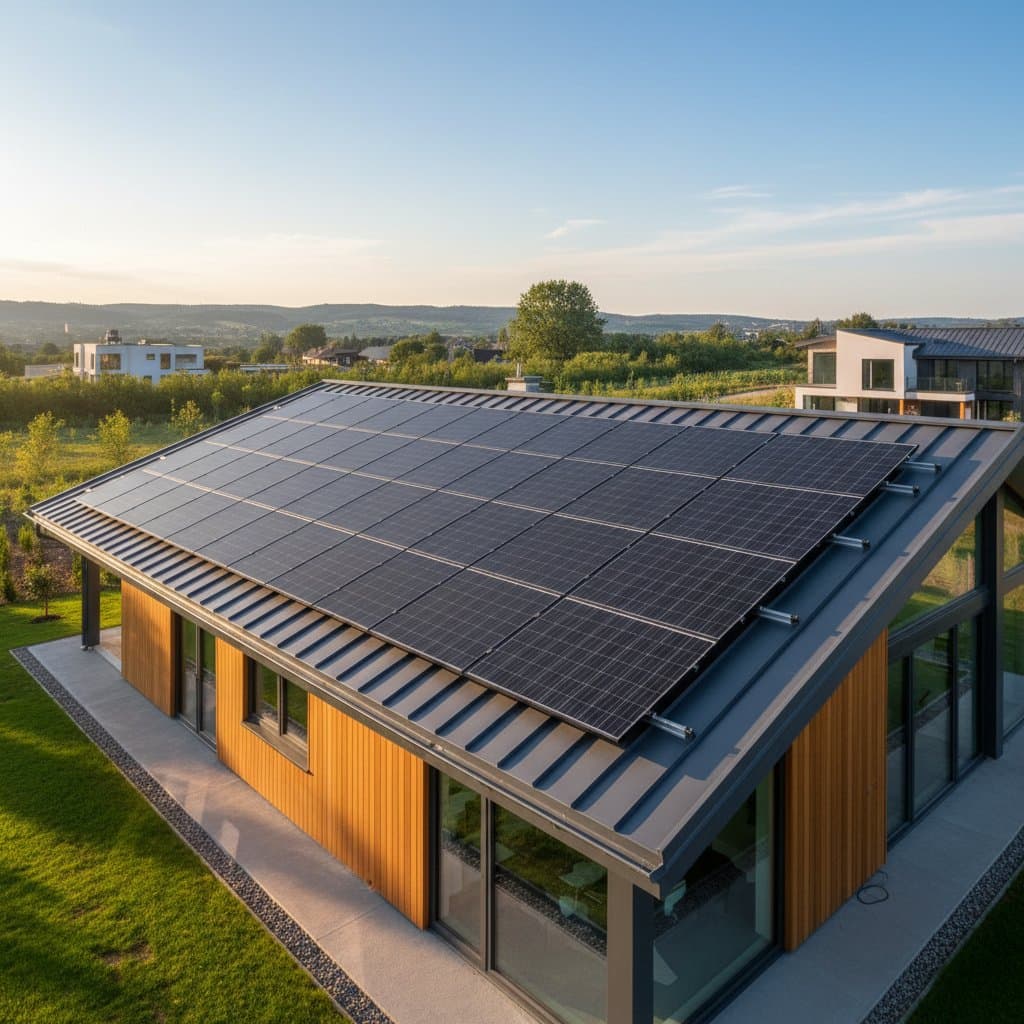
The Longevity Advantage of Metal Roofs and Solar Panels
Homeowners often seek building materials and energy solutions that offer durability and efficiency over decades. A standing seam metal roof paired with solar panels stands out for its exceptional lifespan, potentially reaching 50 years or more. This combination not only withstands environmental challenges but also maximizes energy production and minimizes upkeep.
Metal roofs resist corrosion, extreme weather, and wear far better than traditional asphalt shingles. Solar panels, when mounted securely on such a roof, benefit from the stable surface, ensuring optimal performance without compromising the roof's integrity. Together, they form a resilient system that supports sustainable living and financial prudence.
Understanding Metal Roof Durability
Metal roofs excel in longevity due to their robust construction. Typically made from steel, aluminum, or copper, these roofs feature standing seams that allow for expansion and contraction without cracking. Manufacturers often provide warranties of 40 to 70 years, reflecting confidence in their performance.
In regions with heavy rain, snow, or hail, metal roofs shed water efficiently and resist damage. Unlike asphalt shingles, which may require replacement every 20 to 30 years, metal options maintain their protective qualities through multiple seasons. This extended service life reduces the frequency of repairs and replacements, preserving the home's value.
The installation process contributes to this durability. Professional installers secure panels with clips that do not pierce the roof surface, preventing potential leak points. Over time, this design ensures the roof remains watertight and structurally sound.
Solar Panels: Built for Decades of Energy Generation
Modern solar panels demonstrate remarkable endurance, with many models warranted for 25 to 30 years of power output. However, their physical lifespan often extends to 40 years or beyond, as the cells degrade minimally under normal conditions. Advances in photovoltaic technology have enhanced resistance to UV exposure, temperature fluctuations, and mechanical stress.
Efficiency ratings remain high over time; most panels retain at least 80 percent of their original output after 25 years. This gradual decline means homeowners continue to generate substantial electricity long after installation. Factors such as panel quality and mounting method influence this longevity, making informed choices essential.
When integrated with a compatible roof, solar panels avoid issues like shading or misalignment caused by roof sagging. The result is consistent energy harvest, supporting grid-tied or off-grid systems effectively.
Seamless Integration of Metal Roofs and Solar Panels
Pairing these technologies creates synergies that enhance overall performance. Standing seam metal roofs provide an ideal mounting platform for solar panels, as rails attach directly to the seams without drilling. This non-invasive method preserves the roof's warranty and waterproofing.
Installation proceeds swiftly on metal roofs, often completing in one to two days compared to longer timelines for other surfaces. Workers navigate the smooth, sturdy material with ease, reducing labor costs and disruption to daily life. Once in place, the system operates cohesively, with the roof shielding panels from debris and the panels generating clean power.
This integration prevents common problems like leaks from mounting hardware. Engineers design clips and brackets to distribute weight evenly, ensuring the structure supports the added load without strain. Homeowners gain a unified system that aligns with building codes and aesthetic preferences.
Cost Savings and Financial Benefits
The initial investment in a metal roof and solar panels pays dividends through reduced expenses over time. Metal roofs lower energy bills by reflecting heat, decreasing reliance on air conditioning. Solar panels offset electricity costs, with potential payback periods of 5 to 10 years depending on local incentives and usage.
Over 50 years, the combined system avoids multiple roof replacements and energy purchases. For instance, a traditional roof might incur $10,000 to $20,000 in replacements every 25 years, while solar maintenance remains minimal. Tax credits and rebates further accelerate returns, making the setup economically viable.
Resale value increases as well; homes with durable roofs and solar installations appeal to eco-conscious buyers. Appraisers recognize the long-term efficiency, often adding thousands to market price.
Maintenance Strategies for Peak Performance
Low-maintenance defines this pairing, yet periodic checks ensure optimal function. Inspect the metal roof annually for loose seams or debris accumulation, which certified professionals can address quickly. Solar panels require cleaning every few years to remove dust or pollen, restoring efficiency without specialized tools.
Monitor system output through integrated apps or meters to detect issues early. Avoid high-pressure washing on panels to prevent micro-cracks; gentle rinsing suffices. With proper care, both components sustain their 50-year potential, minimizing downtime and costs.
Professional servicing every five years confirms secure attachments and electrical integrity. These steps safeguard the investment, allowing homeowners to focus on enjoyment rather than repairs.
Realizing Sustainable Value in Your Home
Adopting a metal roof with solar panels positions homeowners for enduring benefits. This setup delivers reliable energy, protects against weather extremes, and fosters environmental responsibility. Consult local experts to assess suitability and customize the installation to your property's needs.
The decision yields immediate and lasting advantages, from utility savings to enhanced home resilience. Embrace this forward-thinking approach to secure a brighter, more efficient future.